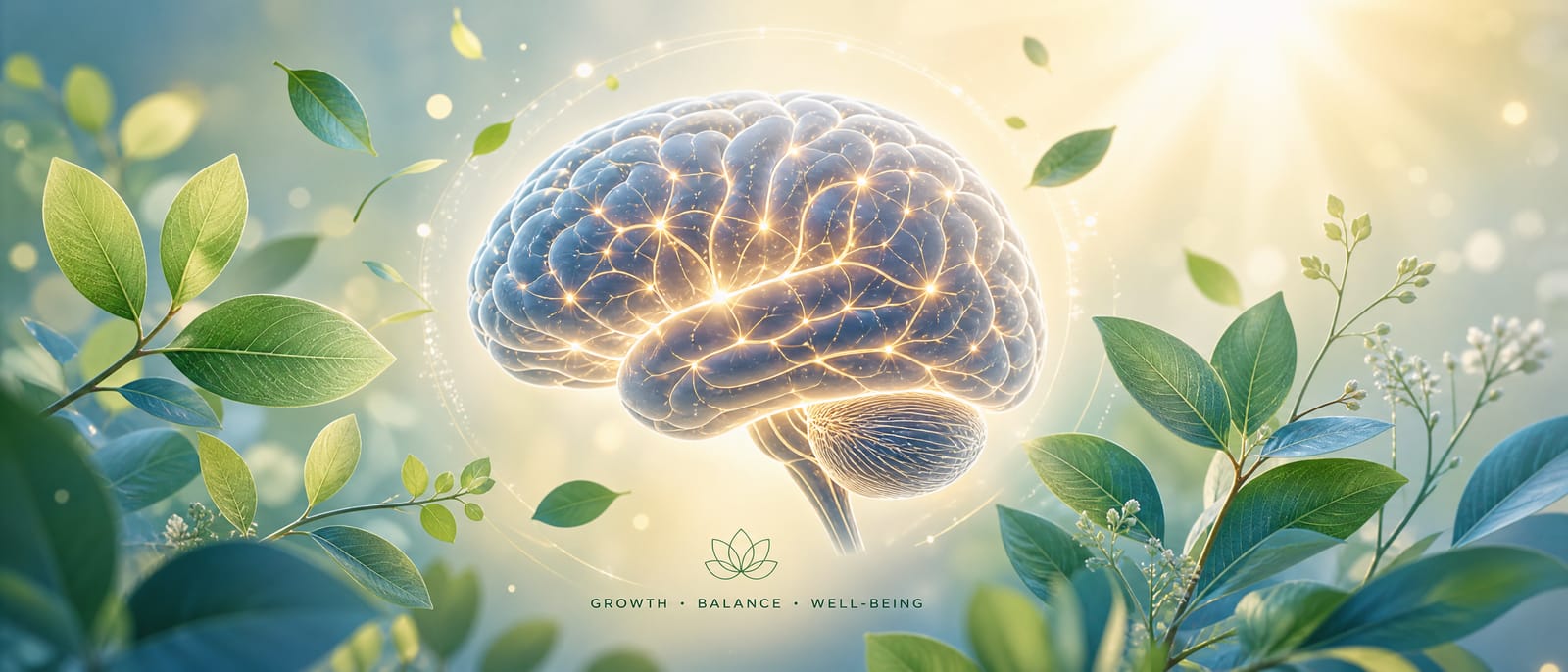
The Neuroscience of Gratitude: How Journaling Rewires Your Brain for Well-being
Bottom line: Consistent gratitude journaling isn't just a feel-good practice; it's a scientifically-backed method to physically alter your brain's structure and chemistry, leading to lasting improvements in mood, resilience, and overall well-being.
Introduction: Beyond a Simple Thank You
In a world that often feels relentlessly demanding, where the news cycle is a constant stream of challenges and personal pressures mount, finding moments of genuine peace and positivity can seem like a luxury. Yet, what if one of the most powerful tools for cultivating well-being lies not in external circumstances, but within a simple, consistent practice: gratitude? More than just a polite sentiment, gratitude is a profound human emotion with deep neurological roots, capable of reshaping our brains and enhancing our mental health. This article delves into the fascinating neuroscience of gratitude, exploring how the act of journaling can literally rewire your brain, fostering greater happiness, resilience, and emotional balance.
The Brain on Gratitude: A Neuroscientific Perspective
From a neuroscientific perspective, gratitude is far more than a fleeting emotion. It actively engages and modifies key regions of the brain. When we experience or express gratitude, areas such as the prefrontal cortex (involved in decision-making and emotional regulation), the anterior cingulate cortex, and the ventral striatum (a crucial part of the brain's reward system) show increased activity [2]. This activation isn't just momentary; consistent practice can lead to long-term structural changes, including increased gray matter volume in areas associated with sensation, voluntary movement, perception, and cognitive tasks [3]. Essentially, a grateful brain is a more robust and adaptable brain.
Rewiring for Resilience: Neuroplasticity in Action
The brain's remarkable ability to reorganize itself by forming new neural connections throughout life is known as neuroplasticity. Gratitude journaling harnesses this power. By intentionally focusing on positive experiences, even small ones, we strengthen neural pathways associated with optimism and emotional regulation [1]. This process helps to shift our brain's natural negativity bias, which evolved to protect us from danger but can lead to chronic stress and rumination in modern life. Over time, this intentional shift in focus can make us less reactive to stress and more resilient in the face of adversity [1].
Neuroscience has shown us again and again that the brain is not fixed but constantly adapting. Gratitude journaling is one of the most accessible ways to direct that adaptation toward greater well-being.
Dr. Rick Hanson, psychologist and author
The Chemical Cocktail: Dopamine, Serotonin, and Oxytocin
The positive impact of gratitude extends to our neurochemistry. Practicing gratitude can increase the activity of neurotransmitters like dopamine and serotonin, often referred to as the brain's "feel-good" chemicals. Dopamine is associated with reward and motivation, while serotonin plays a crucial role in mood, sleep, and appetite [1]. Furthermore, gratitude has been linked to the release of oxytocin, a hormone that fosters social bonding and trust, strengthening our connections with others [4]. This neurochemical boost contributes to feelings of happiness, contentment, and overall well-being.
Gratitude Journaling: A Practical Guide to Brain Change
So, how can you harness the power of gratitude to rewire your brain? The answer lies in consistent, intentional practice, and gratitude journaling is one of the most effective methods. Here’s a practical guide to integrating it into your daily routine:
1. Start Small: Begin by listing just three things you’re grateful for each day. They don’t have to be grand; a warm cup of coffee, a sunny sky, or a kind word from a colleague are perfect. The key is consistency, not quantity [1].
2. Be Specific: Instead of a general “I’m grateful for my family,” try “I’m grateful my sister called me today to check in.” Specificity deepens the emotional impact and strengthens neural encoding [1].
3. Reflect, Don’t Just List: Spend a few moments reflecting on *why* each item matters to you. How did it make you feel? What would life be like without it? This reflection increases brain engagement [1].
4. Write It Down: Physically writing or typing activates more cognitive processing than simply thinking about gratitude. This makes the practice more effective for brain change [1].
5. Consistency Over Frequency: While daily practice is ideal, research suggests that 3-5 times a week can be more effective than forcing it every day, which can make it feel mechanical [1].
6. Pair with a Routine: Integrate your gratitude practice with an existing habit, like your morning coffee or before bed. This “habit stacking” increases the likelihood of long-term adherence [1].
MindsKeep: Your Private Sanctuary for Gratitude
In the digital age, privacy is paramount, especially when it comes to personal reflection. MindsKeep offers a secure, encrypted space where you can practice gratitude journaling without fear of judgment or exposure. Our privacy-first architecture ensures that your most intimate thoughts and reflections remain yours alone, fostering a sense of psychological safety that is crucial for authentic self-expression and deep emotional processing. This secure environment amplifies the therapeutic benefits of journaling, allowing you to fully engage in the rewiring process without external distractions or concerns.
Conclusion: Cultivating a Grateful Mind
The science is clear: gratitude is not merely a pleasant emotion but a powerful tool for enhancing mental well-being and literally reshaping your brain. By consistently practicing gratitude journaling, you can activate feel-good neurochemicals, strengthen positive neural pathways, and build resilience against stress and adversity. MindsKeep provides the ideal private sanctuary for this transformative practice, allowing you to cultivate a grateful mind and embark on a journey toward lasting happiness and emotional balance.
Try MindsKeep — Free & EncryptedReferences
- Ubie Health. (2026). Can Gratitude Change Your Brain? A 10-Step Science-Backed Plan.
- PositivePsychology.com. (2025). The Neuroscience of Gratitude & Its Effects on the Brain.
- PMC. (2023). The effects of gratitude interventions: a systematic review and meta-analysis.
- Mental Health Center. (2025). How Journaling Supports Emotional Well-Being.